
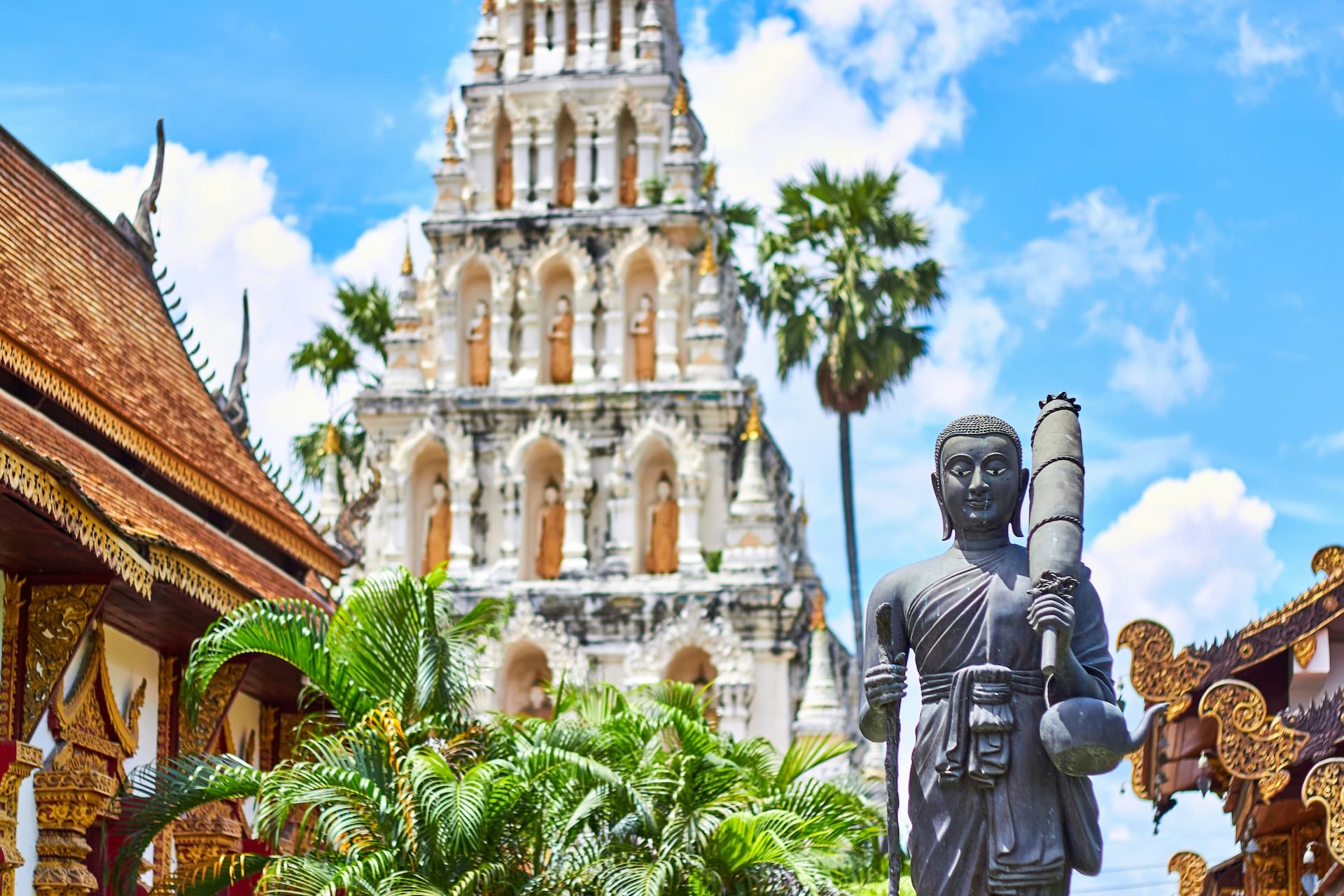
Bangkok skyline and temple rooftops in Thailand

Thailand

Retiring and Living Long-Term in Thailand, from Visas to Living Costs

Thailand has the region's most developed long-stay system, with retirement visas, the DTV for remote workers, the LTR, and marriage and work routes alongside strong private healthcare.

These guides compare the routes in plain terms, show what life costs from Bangkok to Chiang Mai and the smaller cities, and cover the money and paperwork details most sites skip.

Procedures

Start here

Thailand Long-Stay Visa Options: Which Pathway Actually Fits Your Situation

Compare Thailand's six long-stay visa routes: LTR, DTV, Privilege, Retirement, Marriage, and Non-B work. Find which one fits your situation.

Real living cost

Budget

~$1,000 to $1,300

Local food, outer districts or provincial cities, public transport and motorbike

Comfortable

~$1,400 to $2,000

Central apartment in Bangkok or Chiang Mai, mixed dining, practical convenience

Living Insights

We're currently preparing this section. New Living Insights content will be published soon.

People's Experience

Long-Stay Pathways in Thailand

Retirement path

Availablecommon 50+ retirement routes exist, with separate O-X and LTR options for narrower eligible profiles

Spouse / family path

Available

Investor path

Available

Work path

Available

How long you can stay

Common retirement stays renew yearly; eligible O-X and LTR profiles can reach 10 years

Sponsor need

Retirement routes can be self-funded; work and family routes depend on employer or family basis

Living Essentials

Monthly budget (modest)

USD 1,100 - 1,900

Private health insurance

Often required or strongly expected depending on route

Healthcare reality

Regional benchmark for private healthcare, especially Bangkok

Property access

Condo ownership is easier than land ownership

Thailand Updates

When rules change, you'll know first.

Visa policy, permit changes, and practical living updates, delivered when it matters.

No spam. Unsubscribe any time.