
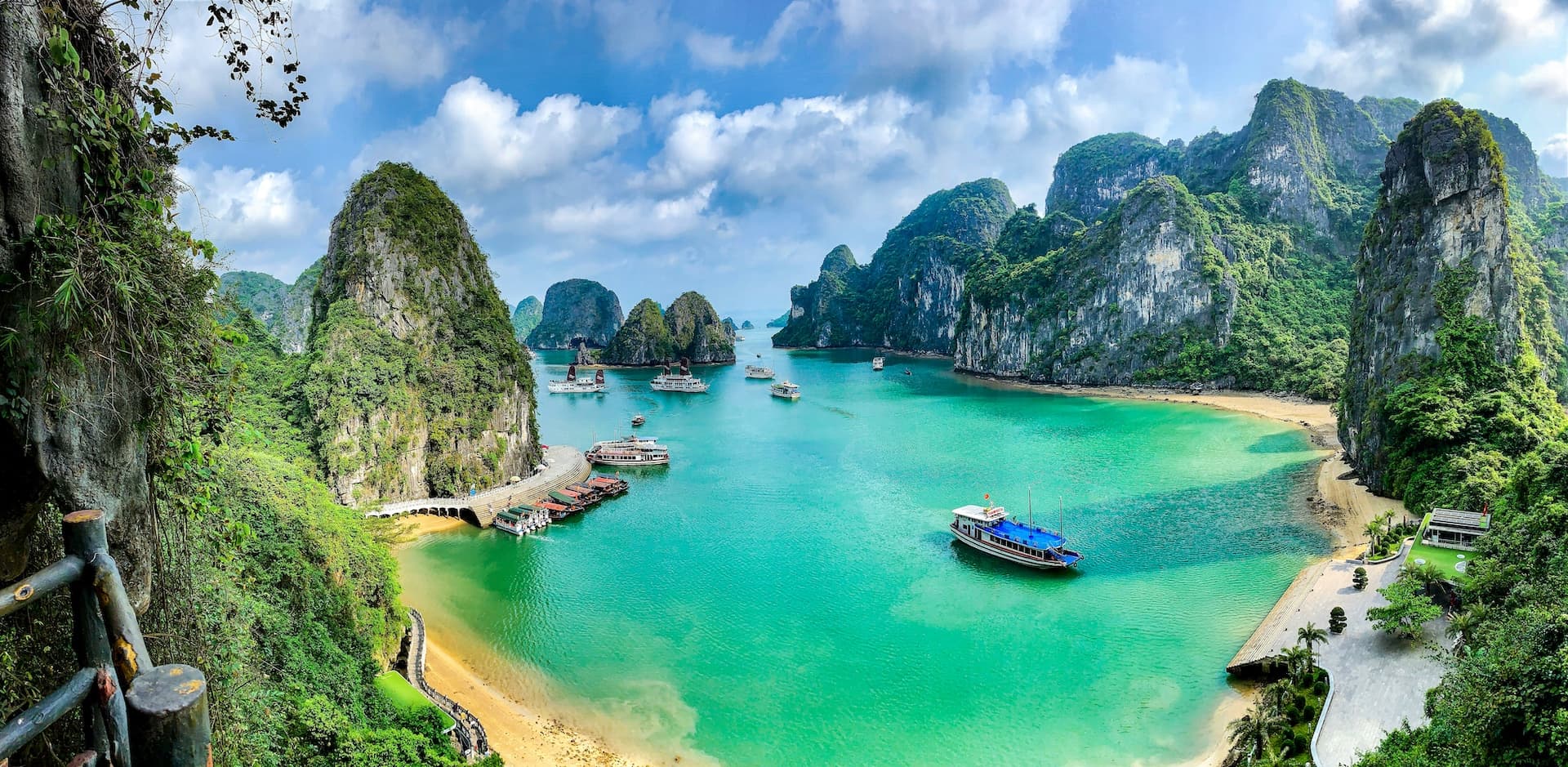
Ha Long Bay in Vietnam

Vietnam

Living Long-Term in Vietnam, from Visas to Living Costs

Vietnam offers long-stay routes for workers, spouses, investors, and families, all built around the temporary residence card (TRC). There is no dedicated retirement visa, so most long stays run through work, family, or investment.

These guides compare each route in plain terms, show what daily life actually costs, and flag the document details that most often delay approval.


Procedures

Start here

Long-Term Stay Options in Vietnam for Foreigners: Visas, TRC, and the 2026 Route

Work, investor, spouse, and family visa routes, plus TRC and permanent residence paths. Fees, documents, and how each step works.

Real living cost

Budget

~$1,200 to $1,500

Local food, outer districts, motorbike-first transport

Comfortable

~$1,700 to $2,400

Central apartment options, mixed dining, practical convenience

Living Insights

People's Experience

Long-Stay Pathways in Vietnam

Retirement path

No dedicated retirement visa

Spouse / family path

Available

Investor path

Available

Work path

Availablevia work permit + residence-card routes

How long you can stay

The e-visa is capped at 90 days; longer lawful stays usually come through family, work, or investor pathways, with some TRCs running much longer depending on category

Sponsor need

Usually yes for any stable long stay (employer, spouse/family, or investment structure)

Living Essentials

Monthly budget (modest)

USD 1,200 - 1,500

Private health insurance

Strongly advised

Healthcare reality

Strong private hospitals in Hanoi and HCMC; thinner options outside major cities

Property access

Condo ownership is possible in some projects; land ownership is not available to foreigners

Vietnam Updates

When rules change, you'll know first.

Visa policy, permit changes, and practical living updates, delivered when it matters.

No spam. Unsubscribe any time.