
Banking in Indonesia as a Foreigner: Opening an Account, Cards, and Paying by QRIS
Opening a bank account in Indonesia as a foreigner depends on the bank and account product. Several products publish an application process for residents with a passport and an ITAS or ITAP, commonly called a KITAS or KITAP, or a Golden Visa. BCA also says foreign customers who do not live in Indonesia may submit other documents for further checks. Approval is not guaranteed.
Opening channels also differ. Mandiri allows eligible foreign residents to open an account through the Livin' app, while other products require a branch visit. After opening an account, check the debit card network, ATM limits, fees, and whether your bank or wallet app supports QRIS.
Overview of Banking in Indonesia
| Who has the clearest account options | Foreign residents with a passport and an accepted stay permit |
| Other applicants | Some bank products accept other documents, subject to further checks and approval |
| Opening channel | App-based opening is available for eligible foreigners through Mandiri Livin'; other products may require a branch visit |
| Opening deposit examples | Mandiri Livin' WNA, IDR 100,000; BCA Tahapan, IDR 500,000; BNI Dollar, USD 100 |
| Everyday payment | QRIS through a supported bank or wallet app; Visa or Mastercard where cards are accepted |
| Debit card check | GPN is mainly for domestic use; Visa or Mastercard gives wider online and overseas acceptance |
This guide covers personal banking and everyday payments, with extra detail on Bali. It does not cover company or investment accounts. For monthly budgets rather than banking services, see what it costs to live in Bali.
In this guide
How opening a bank account in Indonesia as a foreigner actually works
Requirements vary by bank and account product. HSBC Indonesia's rupiah savings account page asks a non-Indonesian applicant for a passport, KITAS, and NPWP. Mandiri Livin' WNA accepts eligible holders of an ITAS, ITAP, or Golden Visa and uses a foreign taxpayer declaration. BCA publishes separate requirements for foreign customers who live in Indonesia and those who do not.
Bring your passport, accepted stay permit, and any address or tax document required for the selected product. Retirees on a retirement KITAS and holders of the Second Home visa should confirm which accounts accept their permit before applying.
Do not assume that every foreign applicant must visit a branch. Mandiri allows eligible foreign residents to upload their passport and stay permit, complete face verification, and open an account in its Livin' app. Opening times for other products depend on the bank's checks and whether it needs more documents.
App based opening at a major bank is different from opening an account with a digital-only bank. One applicant who checked Bank Jago, SeaBank, Superbank, and Krom said all four asked for an Indonesian identity card, or KTP. Another foreigner reported opening SeaBank online while holding both a KITAP and KTP. These are individual reports, but they suggest that a stay permit alone may not pass a digital bank's identity check.
BCA says foreign customers who do not live in Indonesia may submit other documents under its customer checks. The bank does not publish a complete alternative document list or promise approval. A relocation provider may describe a special arrangement, but that is not proof of a bank-wide route. Confirm the account owner, eligibility rules, fees, and customer protection directly with the bank before using an intermediary.
Applicants reported different results even within the same bank. One spouse KITAS holder said a BNI branch required a KITAP, while other foreign residents said they had opened BNI and BCA accounts with a spouse KITAS. Another reply said an SKTT was also required with the ITAS. These reports do not establish the bank's formal rules, but they show that branch staff may apply or explain the document checks differently. If a request conflicts with the bank's published product page, ask the bank to confirm it or contact another branch that regularly handles foreign customers.
Four large Indonesian banks, and the HSBC-to-OCBC change
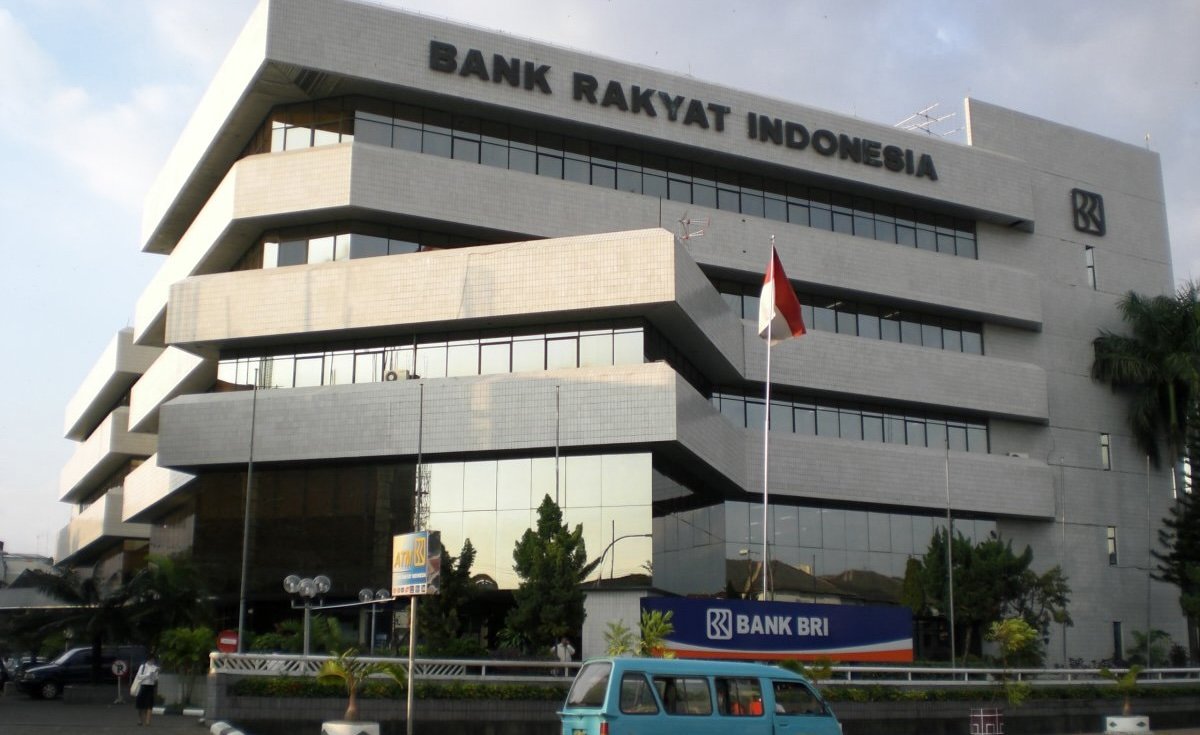
BCA, Mandiri, BNI, and BRI are four large Indonesian banks to compare. Their rules for foreign customers and account products differ.
Foreign residents in one bank-choice discussion repeatedly mentioned BCA and Mandiri, with OCBC, BNI, and Permata also appearing as alternatives. Several praised BCA's long-term reliability and ATM access, but views on its mobile apps were divided. Comments included a preference for myBCA over BCA Mobile, while other residents found the Mandiri or OCBC apps easier to use. English-language help and overseas use also varied between branches and accounts. These reports can help you make a shortlist, but they do not show that one bank is best for every foreign customer.
Opening deposits depend on the product.
| Bank and product | Published initial deposit |
|---|---|
| Mandiri Livin' WNA | IDR 100,000 |
| BCA Tahapan | IDR 500,000 |
| BNI Taplus in Greater Jakarta | IDR 500,000 |
| BNI Taplus outside Greater Jakarta | IDR 250,000 |
| BNI Dollar | USD 100 |
The Indonesia Deposit Insurance Corporation, known as LPS, can cover eligible deposits up to IDR 2 billion per customer per bank. Coverage depends on LPS rules, including a requirement that the deposit interest rate must not exceed the current LPS guarantee rate.
In May 2026, OCBC Indonesia agreed to acquire HSBC Indonesia's International Wealth and Premier Banking business. The transaction covers about 336,000 customers and 26 branches, with completion targeted for the second quarter of 2027. HSBC customers should check current service and transfer information with HSBC or OCBC as the completion date approaches.
The card you get, and why it may not work online or abroad
The debit card offered with an account may use GPN, Indonesia's national payment network. GPN is mainly designed for domestic transactions. Online acceptance depends on the bank and card, and a GPN card is not suitable for normal overseas use.
Ask for a Visa or Mastercard debit card if you need wider online or overseas acceptance. Check the network logo, online payment settings, overseas access, issue fee, and replacement fee before choosing the card.
Paying like a local with QRIS and e-wallets
QRIS is widely accepted for day-to-day payments in Indonesia. A merchant's QRIS code can accept payments from supported bank and wallet apps, but registration, identity checks, and funding methods differ by provider.
DANA says eligible foreign users can register and link an international Visa or Mastercard. GoPay and OVO publish debit card top-up options, but their public guidance does not clearly confirm that every foreign-issued card is accepted. Local bank transfers and supported retail cash top-ups are other options. Check the provider's current instructions before adding money. QRIS payments require an internet connection, so keep mobile data or roaming active.
Visitors may also use QRIS Cross-Border through a participating payment app from their home country. As of July 2026, Bank Indonesia reports connections with Malaysia, Singapore, Thailand, Japan, South Korea, and China. Your bank or wallet app must participate in the relevant connection.
Visa and Mastercard are accepted at many hotels, larger restaurants, and shops in tourist areas. Indonesia is not listed as an Apple Pay-supported country, although a foreign-issued mobile wallet may work at a compatible contactless terminal. Carry a physical card or cash as a backup.
Some merchants reportedly ask customers to pay an extra fee for card transactions, but payment rules prohibit merchants from passing a card surcharge to the customer. Bank Indonesia also says consumers should not pay a transaction fee when using QRIS. Ask the merchant to remove the extra charge or use another payment method.
Use rupiah for ordinary domestic purchases. Indonesian law requires rupiah for domestic transactions, with limited legal exceptions. Grab and Gojek support card payments, but acceptance of a foreign-issued card can depend on the issuer and verification process. Keep cash or another supported payment method available.
Getting cash and sending money in
ATM withdrawal limits depend on the bank, machine, card, and note denomination. Follow the maximum amount shown by the machine, as a larger cash withdrawal may require more than one transaction.
Check each fee separately when using a foreign card. The ATM operator may charge a fee, your home bank may charge for the withdrawal, and your card may add a foreign-exchange fee. Wallet top-up fees are separate, so the total cost depends on the card and service.
Recent individual reports from Bali describe cards being skimmed or captured at ATMs. They do not show how common the problem is. Use a machine inside or attached to a bank branch, inspect the card slot, cover the keypad, and use a card that you can freeze immediately in its app.
Wise and similar transfer services can send rupiah to an Indonesian account. Use the delivery estimate shown for your transfer. Wise says currency conversion can take up to two working days, and delivery after conversion may take up to one working day.
Practical tips
Before your branch visit
Confirm the required documents for the exact account product. Bring your passport, accepted stay permit, proof of address, and any tax document the bank requests. Ask whether the debit card uses GPN, Visa, or Mastercard, then check its online payment settings, overseas access, withdrawal limit, and fees.
Foreign residents reported that English language help varied by branch. Contact the exact branch before visiting and ask whether its staff regularly handle foreign-customer applications.
Frequently asked questions
Can I open a bank account in Indonesia without a KITAS?
Possibly, depending on the bank and product. BCA says foreign customers who do not live in Indonesia may submit other documents for further checks, but it does not publish a complete alternative list or guarantee approval. Do not treat an agency or sponsor arrangement as a recognized bank route unless the bank confirms the account ownership and eligibility directly.
How do I pay by QRIS as a foreigner?
Foreign residents can use a supported bank or wallet app. DANA says eligible foreign users can link an international Visa or Mastercard. GoPay and OVO publish debit card top-ups, but acceptance of foreign-issued cards is not clearly confirmed. Visitors from a connected country may use a participating home payment app through QRIS Cross-Border.
Why will my Indonesian debit card not work online or overseas?
Check whether it uses GPN. GPN is mainly for domestic payments and is not suitable for normal overseas use. Some domestic online transactions may work depending on the bank and card. Ask the bank for a Visa or Mastercard debit card if you need wider online and international acceptance.
How much can I withdraw from an ATM, and how do I avoid skimming?
The limit depends on the bank, ATM, card, and note denomination, so follow the amount shown by the machine. Use ATMs inside or attached to bank branches, inspect the card slot, cover the keypad, and freeze the card immediately if the machine retains it or you see an unknown transaction. Check the ATM fee and your home bank's charges separately.
Which bank should a foreigner choose, and does the HSBC change matter?
Compare the account's permit requirements, opening channel, deposit, debit card network, app features, and fees. BCA, Mandiri, BNI, and BRI are four large banks to compare. OCBC Indonesia agreed to acquire HSBC Indonesia's International Wealth and Premier Banking business, with completion targeted for the second quarter of 2027. Current HSBC customers should follow official service notices as the completion date approaches.
Conditions described in this guide reflect official product information and practical reports checked in July 2026. Bank rules, fees, and payment features can change. Confirm the selected product with the bank before applying.
Key sources
- BCA, Tahapan
- Bank Mandiri, Livin' by Mandiri for Foreigners, accessed 21 July 2026
- BNI, BNI Dollar
- HSBC Indonesia, Indonesia Rupiah Savings Account
- Bank Indonesia, QRIS
- Bank Indonesia, Monetary Policy Review May 2026
- OVO, How to Top Up
- GoPay, QRIS
- Grab Indonesia, GrabPay Wallet
- Apple, Countries and regions that support Apple Pay
- Wise, Guide to IDR transfers
Read Next
- Indonesia Long-Stay Visa Options for Foreigners: KITAS, Remote Worker, Second Home and Residency Explained
- Indonesia Second Home Visa Requirements and Who It Actually Fits in 2026
- What It Really Costs to Live in Bali: Monthly Budgets 2026
- Cheapest Countries in Southeast Asia for Long-Term Living: Vietnam, Thailand, the Philippines, Indonesia, Cambodia and Laos Compared (2026)